


Several people familiar with the negotiations told CoinDesk that lawmakers could release a fresh version of the Clarity Act this week, though significant hurdles still remain before the legislation can move forward.
Reports suggesting the Digital Asset Market Clarity Act is effectively dead appear to be overstated. However, the crypto industry still faces several unresolved issues before the bill can become law.
The latest developments come as discussions continue around the long-awaited crypto market structure legislation, which aims to establish clearer regulatory rules for digital assets in the U.S.
Updated Clarity Act Draft Expected Soon
Sources familiar with the discussions said lawmakers are preparing to introduce a revised version of the Clarity Act this week. The updated draft is expected to merge the separate versions previously approved by the Senate Banking and Agriculture Committees after lawmakers negotiated differences between the two proposals.
The release of a new draft would represent progress, but it does not necessarily mean the bill is close to final approval. Key disagreements must still be resolved before the legislation can advance to a Senate vote.
Remaining Obstacles Could Slow Progress
CoinDesk previously reported that a revised Clarity Act draft was expected to circulate this week. According to sources, the new version could add around 70 pages of updated language while combining provisions from both Senate committee versions.
However, the draft is not expected to include an ethics provision or resolve several major disputes that remain central to the negotiations. Without those changes, the bill would likely not yet be ready for a formal vote.
The timeline is becoming increasingly tight. Lawmakers have limited time to move the legislation through Congress and deliver it to the president for approval during 2026.
Senate Vote Could Become a Major Political Battle
The rest of the process remains uncertain. Senate Majority Leader John Thune previously indicated that he was open to bringing the legislation to the Senate floor in July. Current speculation suggests a possible vote during the weeks of July 20 or July 27.
If the bill reaches the Senate floor, supporters will need to secure at least 60 votes, requiring support from a number of Democrats. The number of Democratic votes needed could increase if some Republicans oppose the legislation or are absent.
Crypto advocacy groups, including Stand With Crypto, are expected to closely monitor lawmakers’ positions, while industry groups will likely highlight the hundreds of millions of dollars held by crypto-focused political action committees.
However, the upcoming 2026 midterm elections add another layer of complexity. With Election Day approaching on Nov. 3, lawmakers will soon return to their home states and face pressure from voters and political opponents.
Trump’s Role Remains a Key Factor
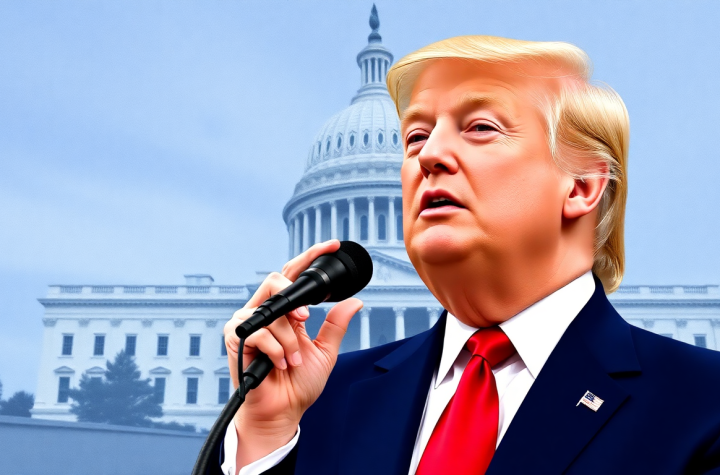
Donald Trump and his relationship with the crypto industry are expected to play an important role in the debate. Support for an ethics provision could become critical, especially among Democratic lawmakers concerned about potential conflicts of interest.
One source told CoinDesk that if the upcoming draft does not include even a temporary framework for addressing ethics concerns, it could make bipartisan approval more difficult.
The White House’s position will likely be important in determining whether a compromise can be reached. Several sources said administration officials had recently been less involved in negotiations than earlier in the summer, although another source suggested officials may simply be waiting for lawmakers to settle other outstanding issues first.
CBDC Debate May No Longer Complicate Negotiations
One potential obstacle appears to have been reduced. Industry participants previously worried that lawmakers might attempt to add a ban on a U.S. central bank digital currency to the Clarity Act, complicating negotiations further.
However, a provision in separate legislation preventing the Federal Reserve System from issuing a CBDC for at least four years could address that issue through 2030, assuming it remains in effect.
For supporters of the Clarity Act, removing the CBDC debate from negotiations could provide more room to focus on unresolved market structure and regulatory issues.
Upcoming Crypto Policy Events
Tuesday
- Fed Chair Kevin Warsh is scheduled to testify before the House Financial Services Committee.
Wednesday
- The Senate Select Committee on Intelligence will hold a confirmation hearing for Jay Clayton’s nomination for Director of National Intelligence.
- Kevin Warsh will testify before the Senate Banking Committee.
- The House Financial Services Committee will conduct a hearing on the Consumer Financial Protection Bureau.
Thursday
- The Senate Banking Committee will hold another hearing focused on the Consumer Financial Protection Bureau.
Friday
- The House Financial Services Committee’s digital assets subcommittee will host a hearing in New York focused on the Clarity Act.
The next stage of the Clarity Act negotiations will likely determine whether the legislation can gain enough bipartisan support to advance, or whether unresolved political disagreements continue to delay progress.
About The Author




More Stories
CFTC Warns Prediction Platforms of Manipulation Risks in ‘Mention Markets’
Lummis Says Trump Opposition Helped Derail Crypto Clarity Act
XRP Ledger Retries Upgrade Designed to Split Payments and Compliance Roles