

Here is a paraphrased version with a smoother news-style flow:
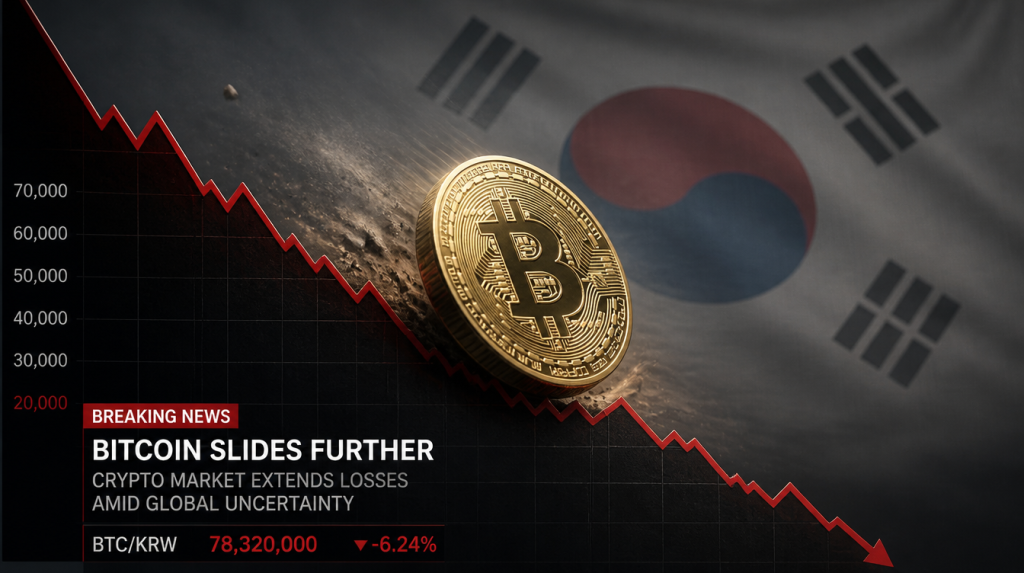
Blockchain investigator ZachXBT criticized hardware wallets as bitcoin remained relatively stable near $65,000 following South Korea’s interest-rate increase.
U.S. Retail Sales Show Mixed Signals as Jobs Data Remains Resilient
U.S. retail sales rose 0.2% in June, matching expectations but slowing significantly from May’s 1% increase.
Excluding automobiles, however, retail sales fell 0.2%, slightly worse than forecasts for a 0.1% decline and a sharp reversal from the previous month’s 1% gain.
Balancing out the softer consumer data, weekly initial jobless claims dropped to 208,000, below economists’ expectations of 217,000 and down from the previous week’s 216,000.
The Philadelphia Fed Manufacturing Index also delivered a stronger-than-expected reading, jumping to 41.4 in July from 10.3 in June. Economists had anticipated a smaller rise to 13.
Despite the mixed economic signals, markets showed little reaction. Bitcoin remained around $64,100, while Nasdaq futures stayed lower by roughly 0.9%.
CoinDesk 20 Index Falls 1.1% After U.S. Market Close
The CoinDesk 20 Index declined 1.1% since Wednesday’s U.S. market close, trading at 17,561.14, down 20.25 points.
Among the index’s largest movers, Uniswap (UNI) gained 2% and Stellar (XLM) rose 1%, while Bitcoin Cash (BCH) dropped 2.9% and Aave (AAVE) declined 2.2%.
Only three of the 20 assets were trading higher.
Nasdaq Futures Slide Ahead of Key U.S. Economic Data
Nasdaq futures fell 0.6% on Thursday, alongside a nearly 1% decline in bitcoin prices.
Asian markets also weakened, with South Korea’s Kospi index plunging more than 6% and Japan’s Nikkei falling nearly 2%.
The decline followed South Korea’s central bank raising its benchmark interest rate for the first time in more than three years, citing persistent inflation pressures.
Investors were also awaiting U.S. retail sales and unemployment claims data, which could provide clues on whether the economy is cooling enough to ease inflation without slipping into a sharper downturn.
Bitfinex Warns Bitcoin’s $65K Rally Lacks Strong Spot Demand
Bitcoin’s move toward $65,000 appears to be driven more by macro factors than crypto-specific demand, according to analysts at Bitfinex.
The firm said softer June inflation data reduced expectations of a July Federal Reserve rate hike, with the probability dropping to around 12% from 42%. The decline in two-year Treasury yields also helped lift bitcoin alongside equities and other risk assets.
However, Bitfinex noted that bitcoin lacks signs of strong spot buying. U.S. spot bitcoin ETFs recorded around $425 million in outflows on July 13, Strategy did not add to its holdings, and the Coinbase premium remained negative — suggesting limited U.S. institutional demand.
Analysts described the move as “borrowed strength,” arguing that rallies supported only by macro catalysts can fade without consistent buying pressure from investors willing to accumulate regardless of price.
Bitcoin Holds Near $65K After South Korea Raises Rates
Bitcoin traded just below $65,000 on Thursday after South Korea’s central bank increased interest rates for the first time in more than three years to address inflation concerns.
The Bank of Korea lifted its benchmark rate by 25 basis points to 2.75%, matching economist expectations. The central bank warned that inflation could remain elevated as higher energy prices continue to filter through the economy.
South Korea’s annual inflation rate climbed to 3.2%, the highest level since 2023.
Following the rate decision, the Korean won strengthened to around 1,480 per U.S. dollar, extending its recovery from roughly 1,560 two weeks earlier. Bitcoin remained mostly unchanged against the won, with the BTC/KRW pair holding above KRW 94.96 million on local exchange Upbit.
South Korea remains one of the world’s most active and speculative crypto markets, with a large retail investor base that often treats digital assets as short-term trading opportunities.
ZachXBT Criticizes Hardware Wallet Security
Crypto investigator ZachXBT criticized current hardware wallet solutions, arguing that they are unreliable for signing transactions and protecting significant amounts of funds.
He claimed existing hardware wallets fail to deliver both strong security and user experience, making them unsuitable for high-value operations.
Instead, he suggested using a dedicated iPhone configured solely as a signing device for crypto transactions, saying it could provide better control and fewer attack risks than traditional hardware wallets.
ZachXBT specifically criticized Ledger, pointing to frequent Ledger Live updates that often redesign the interface and applications while sometimes causing functionality issues.
His comments sparked debate across crypto communities, with users sharing their own experiences and frustrations with hardware wallet products.
About The Author


More Stories
Bond Volatility Surges as Bitcoin and Wall Street Remain Calm
Altcoins Surge as Bitcoin Holds Near $84,000
Bitcoin ETF Flows Turn Positive in 2026 After Erasing $5.8B Deficit