

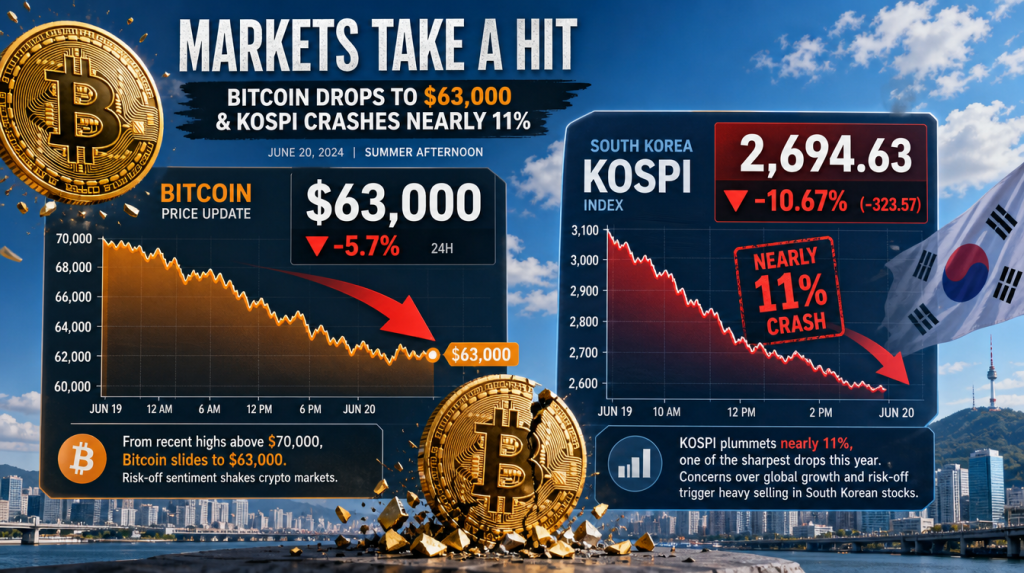
It is a clear risk-off session across markets, but Bitcoin is showing more resilience compared with the Nasdaq and major Asian equity indexes.
Ionic Digital, linked to Celsius assets, begins public trading
Ionic Digital, the bitcoin mining company created from the assets of the bankrupt Celsius network once led by jailed founder Alex Mashinsky, is making its Nasdaq debut today through a direct listing with a reference price of $53.
Given the current market environment, Ionic is positioning itself primarily as a digital infrastructure company focused on meeting the growing energy demands of artificial intelligence and high-performance computing.
The company, however, remains involved in Bitcoin mining and continues to hold a relatively small BTC treasury.
Galaxy Digital expands data center footprint in Texas
Galaxy Digital, led by Mike Novogratz, announced a development agreement and acquisition of 500 acres of land in McGregor, Texas, as part of its broader data center expansion strategy.
The first phase of the project is expected to deliver 74 megawatts of capacity.
“This is exactly the multi-campus strategy we’ve been discussing,” Novogratz said, adding that demand for computing power represents a major structural shift and Galaxy is building infrastructure to support it.
Galaxy Digital shares fell 3% in pre-market trading as the recent weakness in AI-related investments continued to pressure data center companies.
Bitcoin falls toward $63,000 as South Korea’s Kospi plunges
Bitcoin slipped back toward $63,000 as semiconductor stocks remained under heavy pressure, with major South Korean chipmakers Samsung and SK Hynix leading a sharp decline in the Kospi index.
South Korea’s benchmark index dropped 10.8% overnight and is now down 34% from its peak one month ago.
Concerns over China’s growing semiconductor capabilities also added pressure to the sector. Reports indicated that a Beijing-backed company has started producing deep ultraviolet (DUV) lithography machines similar to those manufactured by ASML. Shares of ASML fell 5.8% on Monday and dropped another 4.7% in pre-market trading.
Despite previously showing limited reaction to weakness in the chip sector, cryptocurrencies moved lower alongside Asian equities. Bitcoin declined more than 2% over the past 24 hours, trading around $63,400.
Other major cryptocurrencies, including Ethereum, XRP, and Solana, recorded larger losses of around 3% to 4%.
Investors are now focused on the Federal Reserve’s two-day policy meeting, with markets divided over whether the central bank will raise interest rates on Wednesday.
Bitcoin’s key level sits near $68,500, Bitfinex analysts say
Ahead of the Fed’s rate decision, Bitfinex analysts identified Bitcoin’s short-term holder cost basis near $68,500 as the key level to watch.
This level represents the average break-even price for coins held by investors who have owned BTC for less than 155 days and serves as a major resistance point for the market’s medium-term direction.
Bitfinex analysts said the $68,500 area could create significant selling pressure, as some investors may choose to exit once their holdings return to break-even.
However, if Bitcoin successfully moves above that level, trading volume analysis suggests the next major resistance could appear near $84,000, similar to the strong rally that pushed BTC from around $67,000 to above $80,000 in mid-May.
Bitcoin recovers slightly despite broader market weakness
Bitcoin regained some ground after hitting Asian session lows, even as broader risk sentiment continued to deteriorate across equity markets.
The largest cryptocurrency was trading near $63,500, recovering from an earlier low of $63,065, according to CoinDesk data. BTC remained down about 0.3% since midnight UTC and nearly 3% over the previous 24 hours.
Meanwhile, Nasdaq futures dropped to their lowest level since May, falling to around 27,930 points. The contracts were down 1.2% for the week after reaching nearly 31,000 in June. Nvidia, one of the index’s biggest contributors, fell almost 5% on Monday.
Earlier in the session, South Korea’s Kospi index plunged 10%, while other regional markets, including Japan’s Nikkei, also declined but at a more moderate pace.
About The Author





More Stories
CFTC Warns Prediction Platforms of Manipulation Risks in ‘Mention Markets’
Lummis Says Trump Opposition Helped Derail Crypto Clarity Act
XRP Ledger Retries Upgrade Designed to Split Payments and Compliance Roles