

Asian stock markets suffered sharp losses on Thursday as technology shares weakened following mixed U.S. corporate earnings, while surging oil prices added to investor anxiety. Chinese equities entered bear-market territory, deepening concerns about the outlook for regional markets.
The CSI 300 index, which tracks 300 major companies listed in Shanghai and Shenzhen, dropped 2%, bringing its decline from the June peak to 20%. Losses spread across the region, with Japan’s Nikkei 225 falling about 3%, South Korea’s Kospi sliding 3.5%, Taiwan’s benchmark declining 2%, and Hong Kong’s Hang Seng losing 3%.
Chinese technology stocks listed in Hong Kong experienced their steepest single-day decline since U.S. President Donald Trump announced his “Liberation Day” tariffs in April 2025, according to Bloomberg’s David Ingles.
Ingles noted that the sector’s technology index has fallen more than 40% from its peak, wiping out nearly all the gains made after Beijing announced its stimulus package on Sept. 24. Forward valuations have also contracted to approximately 13 times earnings.
Uncertainty surrounding artificial intelligence investment increased after mixed third-quarter results from U.S. companies. Tesla shares dropped around 3% in after-hours trading after the electric vehicle manufacturer lowered its capital expenditure forecast. Meta Platforms, meanwhile, raised the lower end of its projected spending range.
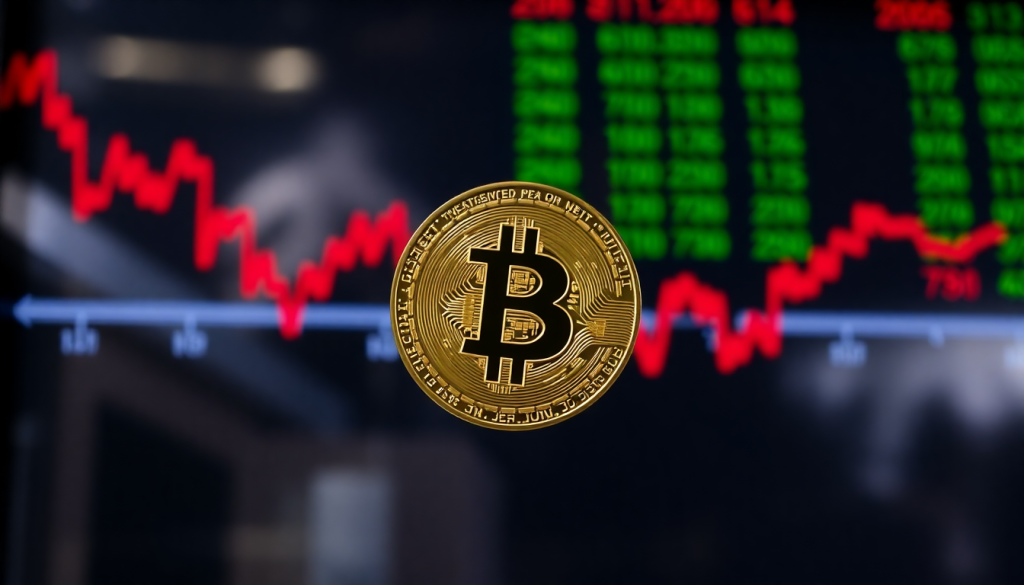
Bitcoin retreated from its move above $84,000, falling back toward $82,000. Gold prices declined more than 1% to below $4,100 an ounce, while silver dropped over 3.5% to approximately $55. Nasdaq 100 futures also fell nearly 2%.
Market volatility increased as the Cboe Volatility Index (VIX) jumped 10% to around 18, roughly 30% above its September low.
Oil prices continued climbing amid mounting market concerns. West Texas Intermediate crude moved above $100 a barrel, while Brent crude surpassed $112, reaching its highest level since May.
The equity sell-off continued even as U.S. Treasury yields eased, a development that would normally make stocks more attractive relative to bonds. The 10-year Treasury yield stood near 5.077%, below its recent high of approximately 5.4%.
About The Author



More Stories
Bitcoin Falls Below $82K as AI Fears Resurface and DeFi Tokens Sink
Crypto Traders Value Reliance Jio IPO at $110 Billion
Bitcoin ETFs Pull In $1.08B in Three Days, Yet a Major Rally Remains Uncertain