

Bitcoin’s realized cap stabilization, elevated RHODL readings, and prolonged negative funding rates are all pointing toward the possibility that a cycle bottom formed earlier this year.
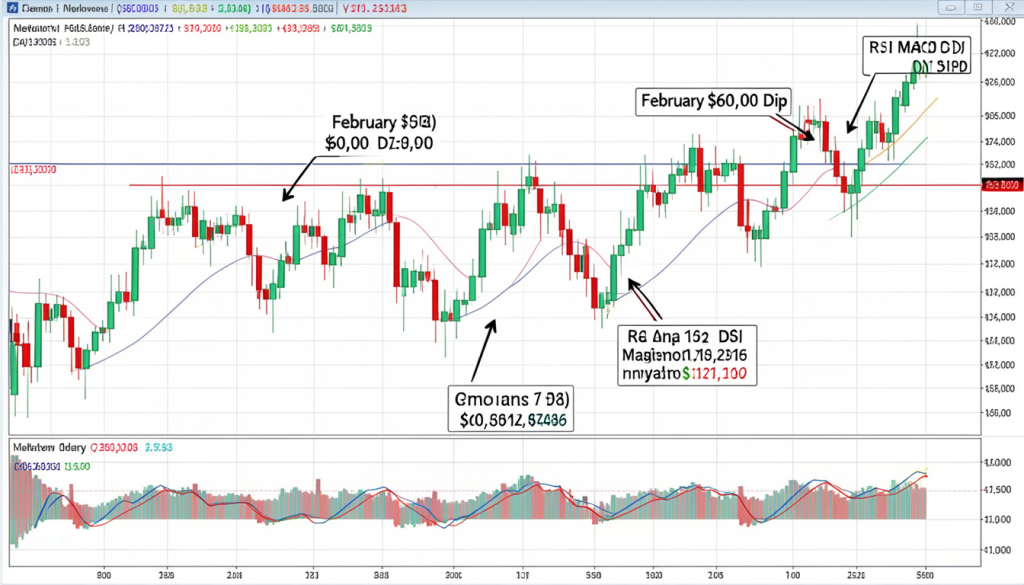
The key question for Bitcoin (BTC) investors is whether the market already set its low in early February, when the asset briefly dropped toward $60,000 during a sharp correction. While no single metric can confirm a definitive bottom, a growing cluster of on-chain and derivatives signals suggests the worst of the selloff may already be behind the market, especially with BTC now trading back above $77,000.
One of the clearest signals comes from Realized Cap, which measures Bitcoin’s network value based on the price at which each coin last moved on-chain. Unlike market capitalization, which reflects the current spot price, Realized Cap represents the aggregate cost basis of investors and is widely used to gauge capital inflows and outflows.
Realized Cap previously peaked near $1.12 trillion before easing to around $1.08 trillion as Bitcoin fell more than 50% from its October all-time high. The decline reflected one of the largest episodes of wealth destruction in the asset’s history. However, the metric has recently stabilized, showing early signs of base formation similar to patterns observed near major bear market lows, including 2022.
Another supporting indicator is the RHODL Ratio, which compares wealth held by long-term holders (six months to two years) against newer participants (one day to three months). The ratio currently sits above 5, its third-highest level on record. Historically, only the 2015 and 2022 cycle bottoms produced higher readings, suggesting long-term holders continue to dominate supply. Since February, this cohort has accumulated more than 400,000 BTC.
Derivatives data adds to the picture. Perpetual futures funding rates—the periodic payments between long and short traders used to anchor futures prices to spot—remained negative for an extended stretch between February and May. Prolonged negative funding is typically associated with extreme bearish sentiment and crowded short positioning, conditions that often appear near market bottoms as downside pressure becomes exhausted.
Similar configurations have previously marked major turning points, including the Silicon Valley Bank crisis in March 2023, the yen carry trade unwind in August 2024, and the tariff-driven selloff in April 2025, all of which ultimately coincided with significant Bitcoin lows.
About The Author





More Stories
Bitcoin Starts New Quarter Stuck in Familiar $82K-$85K Range
Citigroup Lifts 12-Month Bitcoin Target to $113K as ETF Inflows Return
Bitcoin’s Inflation-Fueled Jump to $85.5K Fades as Yields Stay High