

U.S. storm slows bitcoin mining, reviving bullish Hash Ribbon signal
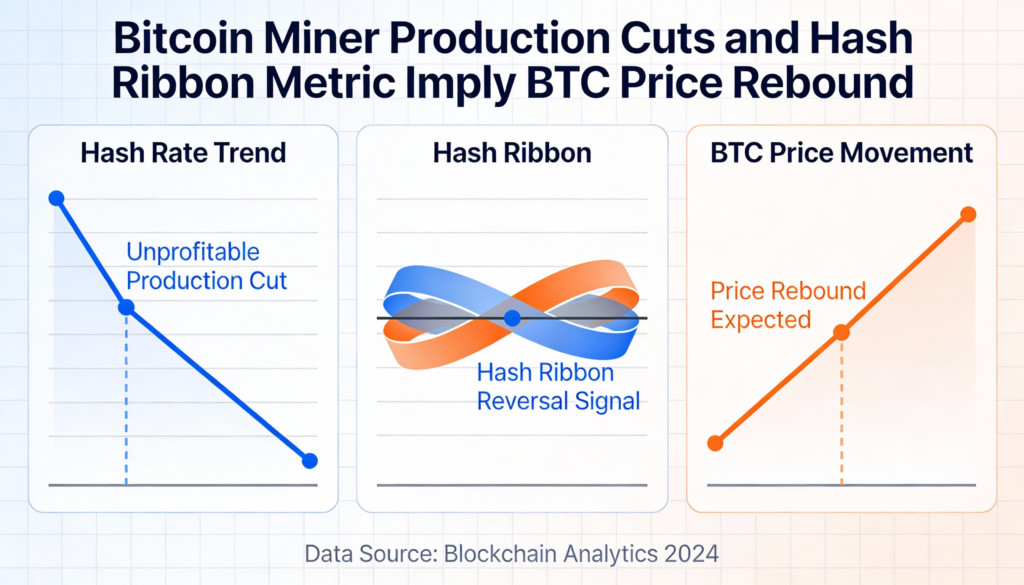
A weekend storm in the U.S. disrupted bitcoin (BTC $89,322.67) mining, driving up operational costs and forcing miners to reduce computing power, or hashrate. The slowdown has brought renewed focus to the Hash Ribbon indicator, a historically bullish on-chain signal that often marks long-term buying opportunities during periods of miner capitulation.
The Hash Ribbon tracks the 30-day and 60-day moving averages of bitcoin’s hashrate on Glassnode. Miner capitulation is signaled when the short-term average drops below the long-term average, shown in light red. The capitulation phase ends once the 30-day average crosses back above the 60-day, represented by dark red. Historically, when this recovery aligns with a shift in price momentum from negative to positive (dark red to white), it has coincided with major BTC rallies.
The storm caused the network hashrate to fall roughly 20%, from about 1.2 zettahash per second (ZH/s) to roughly 950 exahashes per second (EH/s). This decline is expected to trigger a difficulty adjustment of about 17%, the largest since July 2021, when China banned bitcoin mining.
The Hash Ribbon last indicated capitulation in late November, when bitcoin bottomed near $80,000. Today, BTC trades around $88,000. Similar patterns have preceded significant rallies: in mid-2024, bitcoin bottomed near $49,000 after a Hash Ribbon capitulation before rising to $100,000 by January 2025. During the 2022 FTX collapse, BTC fell to about $15,000 amid miner capitulation before rebounding to roughly $22,000 once the metric normalized.
Traders are now watching to see whether history repeats. If hashrate recovers and the Hash Ribbon normalizes, bitcoin could enter a renewed expansionary phase, offering potential long-term buying opportunities.
About The Author

More Stories
Bitcoin drops under $71,000 while stocks end the day near session lows as expectations for a 2026 Fed rate cut dim further.
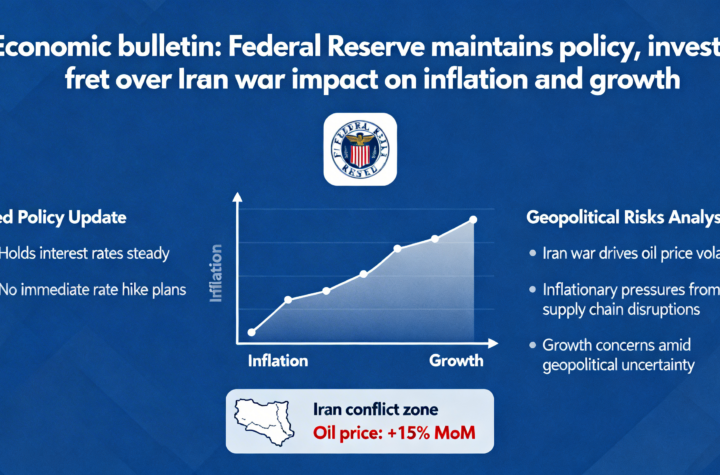
Fed pauses rate changes as the Iran conflict clouds the economic outlook and fuels inflation fears.
Cheap money is now behind us as ongoing conflict with Iran locks in a higher baseline for inflation.