


Canadian Election Heats Up as Carney Closes in on Poilievre in Betting Markets
Newly appointed Canadian Prime Minister Mark Carney is rapidly gaining ground against Conservative opposition leader Pierre Poilievre in prediction markets, narrowing what was once a sizable lead.
According to Polymarket data, Carney’s odds of winning the next federal election have jumped to 49%, a sharp rise from 26% just a month ago. Meanwhile, Poilievre’s probability has dipped to 51% from a dominant 72% in February.
The next federal election is set for October 20, 2025, but an early vote could be triggered if the minority Liberal government fails a confidence motion when Parliament resumes on March 24. Trudeau, who requested Parliament’s prorogation on January 6 while announcing his resignation, paved the way for Carney’s leadership transition.
What’s Driving the Shift in Momentum?
The rapid shift in betting markets mirrors polling trends. Recent surveys show the Conservatives now holding just a one-point lead over the Liberals, down from a commanding 16-point advantage last month. Analysts suggest that concerns over U.S. trade tensions are boosting Carney’s appeal, with voters placing greater trust in his economic expertise.
Crypto and the Campaign Trail
Despite Poilievre’s pro-Bitcoin stance—he personally holds a Canadian BTC ETF and has advocated for blockchain innovation—crypto has played a minor role in shaping the campaign narrative. Instead, economic issues and trade policies have taken center stage.
Carney, who expressed skepticism toward cryptocurrencies during his tenure as Bank of England governor, has yet to address the topic in his new leadership role.
With the race tightening and economic uncertainty mounting, all eyes are on whether Carney can maintain his momentum—or if Poilievre can regain his lead in the coming months.
About The Author

More Stories
Bitcoin drops under $71,000 while stocks end the day near session lows as expectations for a 2026 Fed rate cut dim further.
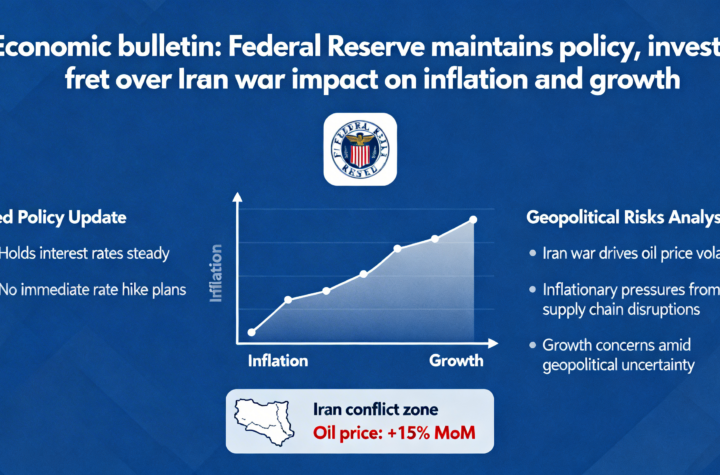
Fed pauses rate changes as the Iran conflict clouds the economic outlook and fuels inflation fears.
Cheap money is now behind us as ongoing conflict with Iran locks in a higher baseline for inflation.