

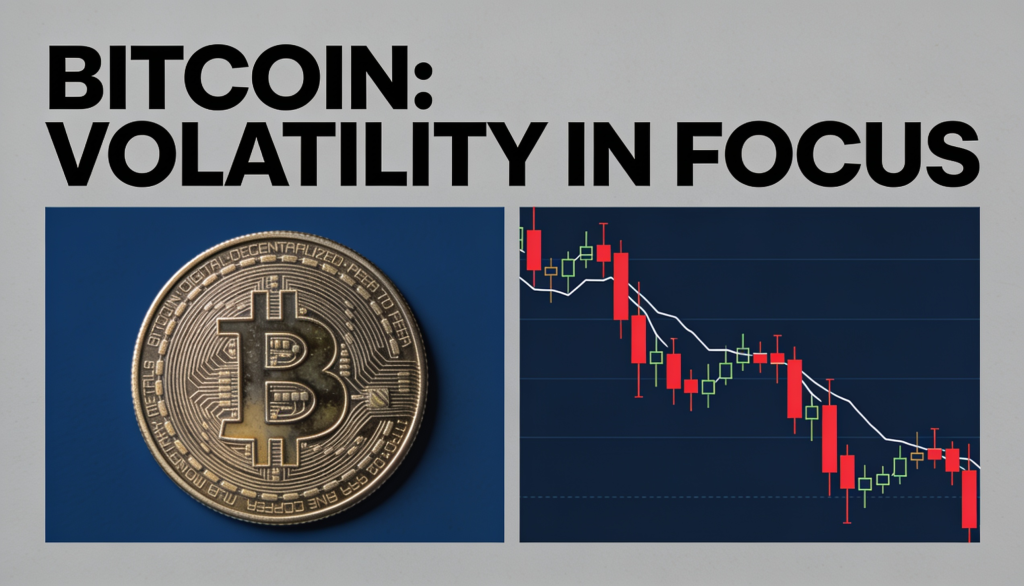
Bitcoin has slipped into a valuation range typically seen only during the darkest phases of past bear markets, but analysts warn investors may still face a long and frustrating road before a sustained recovery takes shape.
Two closely watched indicators are signaling capitulation. Data from Checkonchain show bitcoin recently approached its 200-week moving average, a long-term benchmark often regarded as a key accumulation zone for patient investors. The firm’s valuation model currently places BTC within the lowest decile of its historical pricing range—a level reached only during major market washouts.
Investor sentiment has deteriorated alongside prices. The Crypto Fear & Greed Index has plunged to 9, firmly in extreme-fear territory, compared with 11 a week ago and 48 just one month earlier. The index tracks market psychology using a combination of volatility, trading activity and social sentiment.
While such readings have historically coincided with market bottoms, Checkonchain cautions against assuming a quick turnaround. In previous cycles, capitulation marked only the beginning of the bottoming process, often followed by months of directionless trading that gradually eroded investor confidence and conviction.
Bitcoin briefly fell below the $60,000 threshold this week for the first time since 2024 before staging a modest rebound. The cryptocurrency changed hands at $62,623 on Thursday, up 1.9% over the past 24 hours but still lower for the week as ETF outflows continued to pressure prices.
The recovery extended across the broader digital asset market, though gains remained limited. Ether rose 1.4% to $1,651, BNB climbed 1.3% to $595, Solana added 0.9% to $65, and Dogecoin advanced 1.1% to $0.085. XRP lagged its peers, slipping 0.3% to $1.12. Despite Thursday’s uptick, major cryptocurrencies remain firmly negative on a weekly basis, with Ether down 6.5% and XRP off 7.5%.
Macroeconomic headwinds continue to weigh on risk assets. Fresh data showed U.S. consumer prices rose 0.5% in May from April and 4.2% from a year earlier, marking the strongest annual inflation reading since early 2023. Rising energy costs linked to escalating tensions involving Iran played a significant role in the increase.
The report was not entirely negative. Core inflation, which excludes food and energy prices, increased by 0.2%, coming in below economists’ expectations and offering a rare sign of moderation.
Adding to market uncertainty, hopes for near-term U.S. crypto legislation have weakened. “Hopes for U.S. regulatory clarity have faded again, with Polymarket odds of the Clarity Act passing in 2026 dropping from 62% to 48% this week,” Yves Renno, Head of Trading at Wirex, told CoinDesk.
Attention is now shifting to the Federal Reserve’s June 16-17 policy meeting. Market participants will be closely watching policymakers’ guidance for clues on the direction of interest rates and liquidity conditions. According to Renno, the Fed’s tone could determine whether bitcoin recovers toward the $68,000-$72,000 range or breaks decisively below $60,000.
The cautious mood extends beyond crypto markets. Global stocks fell to their lowest levels in more than a month as a technology-sector selloff gathered pace and renewed military tensions involving Iran unsettled investors.
MSCI’s All Country World Index dropped to its weakest level since early May, while its Asia-Pacific benchmark fell 0.8% to a three-week low. Brent crude climbed 1.8% to around $95 per barrel, reflecting concerns over energy supply risks. Meanwhile, traders continue to price in tighter financial conditions globally, with the European Central Bank expected to deliver its first interest-rate increase since September 2023.
About The Author




More Stories
Bitcoin Starts New Quarter Stuck in Familiar $82K-$85K Range
Citigroup Lifts 12-Month Bitcoin Target to $113K as ETF Inflows Return
Bitcoin’s Inflation-Fueled Jump to $85.5K Fades as Yields Stay High