

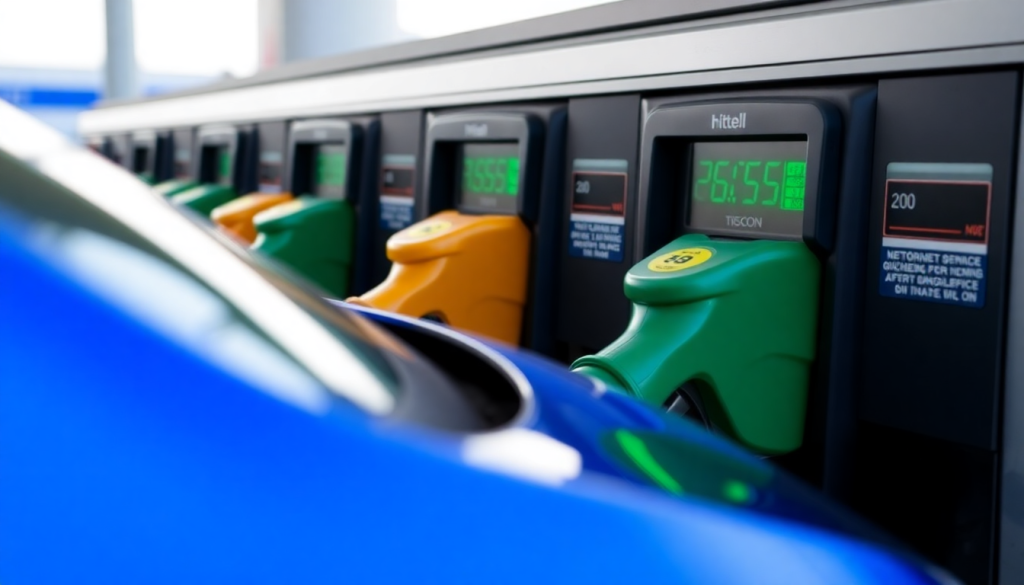
Record-high diesel prices could eventually feed into consumer inflation, potentially strengthening expectations for additional Federal Reserve rate increases. The central bank appears willing to continue tightening monetary policy even as an oil supply shock drives part of the inflation pressure.
U.S. diesel prices have climbed to their highest level on record, adding another dimension to an energy shock that is reviving concerns about inflation across global markets.
The national average price for a gallon of diesel reached a record $6.29 this week, representing an increase of nearly 80% since the start of the year, according to TradingView. Bitcoin was down nearly 12% for the year at around $76,400, while gold was broadly unchanged after pulling back from its record high of $5,600 reached earlier this year.
The rise in diesel prices has been driven largely by geopolitical tensions in the Middle East, including the continuing U.S.-Israeli conflict with Iran. Disruptions to crude oil flows have increased risk premiums on refined fuels, while limited refinery capacity and strong demand from freight and industrial users have added to the pressure. Together, these factors have transformed a regional supply disruption into a broader global price surge.
Sharp increases in fuel costs can eventually spread through transportation expenses and supply chains before reaching consumer prices.
“Higher diesel prices can show up in inflation through business costs first, then potentially affect consumer prices over time depending on pass-through and demand,” JPMorgan said in a Tuesday note.
The latest energy shock comes as central banks remain focused on inflation and are increasingly inclined toward tighter monetary policy. Higher interest rates raise borrowing costs, although they may do little to directly resolve inflation caused by oil supply disruptions linked to conflicts involving Iran and Ukraine.
The Federal Reserve raised its benchmark interest rate by 25 basis points on Thursday, bringing the target range to 3.75%-4%. Some observers have criticized the move, arguing that rate increases are poorly suited to address inflation driven primarily by supply disruptions in the oil market.
Goldman Sachs and Morgan Stanley are forecasting another 25-basis-point Fed increase in October. Other major central banks are also moving toward tighter policy. The European Central Bank recently raised rates, while the Bank of Japan is expected to follow with an increase on Friday.
Record diesel prices could therefore create additional pressure for gold, Bitcoin and technology stocks. Bitcoin, like gold, is often viewed as a store of value and a hedge against sovereign risks. However, past periods of higher borrowing costs have weighed on Bitcoin’s valuation, including during the Fed’s tightening cycle in 2022.
About The Author


More Stories
Crypto Market Rallies After Fed Delivers First Rate Hike Since 2023
Bitcoin Echoes 2022 as Fed Resumes Interest Rate Hikes
Zcash Surges 23% as Bitcoin and Major Tokens Rally After Fed Rate Hike