

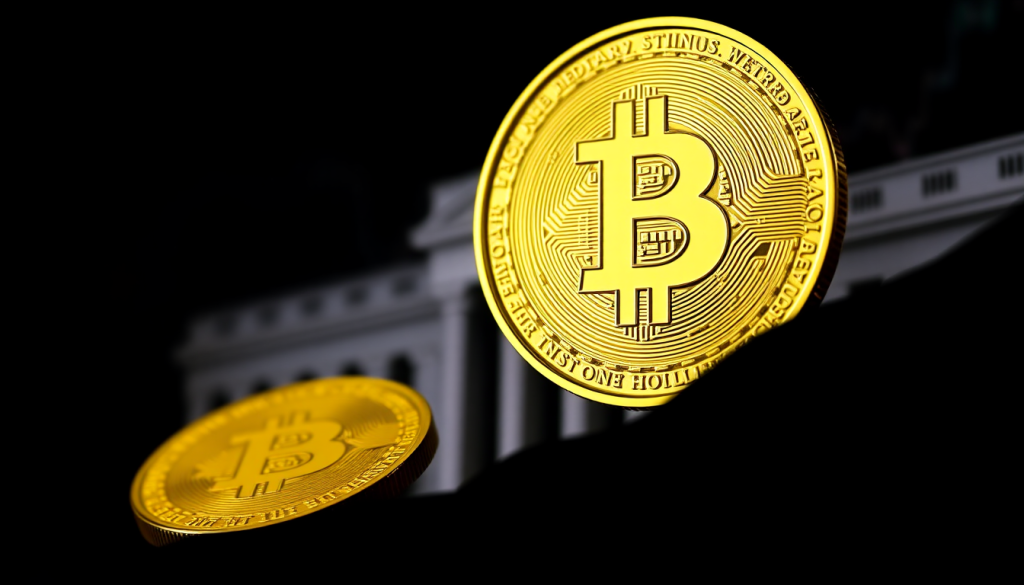
Bitcoin’s current decline resembles its position ahead of the Federal Reserve’s first rate increase in March 2022, prompting questions about whether the cryptocurrency could stage a temporary recovery before facing additional downside.
The Federal Reserve raised its benchmark interest rate by 25 basis points on Wednesday, bringing the target range to 3.75%-4.00%. It marked the central bank’s first rate increase in more than three years. Markets are currently pricing in another 75 basis points of tightening over the next six months.
Historical data suggests the latest hike may not be a standalone move. Since 1994, the Fed has delivered a “one and done” rate increase only once, while single-hike cycles have also been uncommon across the 12 tightening cycles recorded since 1955.
Bitcoin has a more limited historical record against which to measure the current environment. Although BTC traded through the monetary tightening cycle that began in 2015, the market at that time had less liquidity and a less mature structure, making comparisons less dependable. The 2022 tightening campaign provides a closer reference point because Bitcoin was trading in a more developed market.
Several similarities with 2022 have already emerged. Bitcoin reached roughly $69,000 in November 2021 and had fallen about 40% by the time the Fed delivered its first rate increase in March 2022. Today, Bitcoin is similarly down around 40% from its October peak of $126,000.
After the initial March 2022 rate hike, Bitcoin gained approximately 18% during the following 12 days before eventually losing around 50%. That history leaves open the possibility of another short-term relief rally followed by a deeper and more prolonged downturn. Still, a single comparable cycle provides limited evidence, particularly because Bitcoin’s 2022 decline occurred alongside weakness in stocks, bonds and metals and significant turmoil throughout the crypto sector.
Inflation was the primary reason behind Wednesday’s rate increase. Annual headline inflation has stayed above 2% for more than five years, although core inflation, which excludes food and energy costs, has fallen to 2.4%, its lowest level in five years. This indicates that some progress has been made on underlying price pressures.
That progress now faces another challenge from rising energy costs. Geopolitical tensions in the Middle East have pushed both WTI and Brent crude above $100 a barrel, creating the risk of renewed inflation while putting pressure on economic growth. Bond yields have also moved higher globally, with the U.S. 10-year Treasury yield reaching 5%, further tightening financial conditions and weighing on risk-sensitive assets.
Bitcoin’s current bear market is nearing its one-year mark, raising the question of whether the return of a rate-hiking cycle could extend the cryptocurrency’s downturn.
About The Author


More Stories
Layer-2 and DeFi Tokens Lead Crypto Rally as Fed Hike Fears Ease
Bitcoin Weathers September Storm as Rate Hike and Clarity Act Test Bulls
SBI Group Backs dtcpay With $25M Funding Round