


The Senate has only two weeks left before lawmakers leave for recess, putting pressure on supporters of the Clarity Act to push the crypto regulation bill forward before the deadline.
Senators have introduced updated language for the Clarity Act that combines proposals from the Senate Banking and Agriculture Committees while adding an ethics provision for the first time. However, the bill still faces significant hurdles before it can reach the finish line.
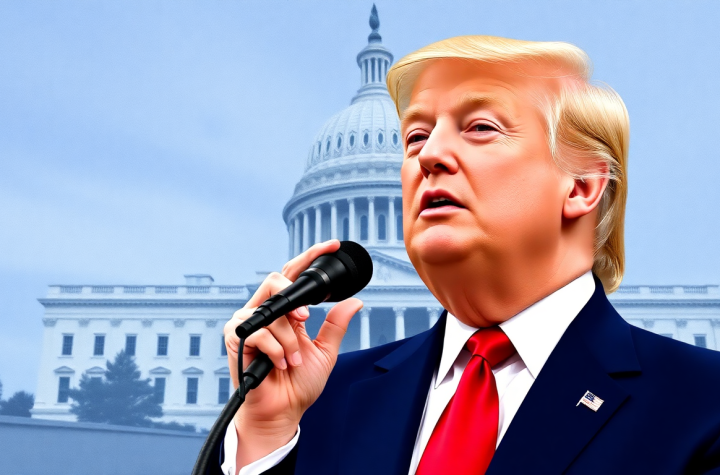
The revised Digital Asset Market Clarity Act merges the two committee drafts and includes a measure aimed at preventing senior government officials from creating, promoting, or issuing their own cryptocurrencies, a provision introduced in response to concerns surrounding President Donald Trump’s crypto involvement.
While releasing a new draft marks progress, the path to passage remains uncertain. The biggest obstacle is still whether lawmakers can reach bipartisan agreement on the ethics provision, making the remaining timeline extremely tight.
The major question is whether the Clarity Act can pass before the summer recess. Although the bill would bring major changes to crypto regulation and clarify the roles of federal agencies, the most contentious debate is not centered on those market structure issues.
Democrats are seeking a stronger ethics requirement that would directly affect Trump and the estimated $1.4 billion he earned through crypto-related ventures last year. Republicans and the White House have resisted measures they believe unfairly target the president.
The current ethics language, which has support from the White House but not Senate Democrats, would give Trump one year to divest certain interests or place his businesses into a blind trust. It would also assign enforcement responsibility to the Department of Justice.
Democrats have raised concerns that the DOJ would not independently pursue action against a sitting president and object to provisions that would expire once a new administration takes office. They also argue that the proposal would allow Trump to continue benefiting from existing tokens linked to his name through a name, image, and likeness clause.
Supporters of the provision, including Senator Cynthia Lummis, argue that the rules apply broadly to federal officials and judges rather than targeting only Trump. White House adviser Patrick Witt and several crypto industry figures have described it as one of the most extensive ethics commitments ever accepted by a U.S. president.
Still, the political timing complicates negotiations. With midterm elections approaching, Democrats view Trump’s crypto earnings as a significant campaign issue. Lummis said discussions over ethics and other sections of the bill would continue, while some Republicans have also expressed concerns about the current version.
Many industry participants remain optimistic that lawmakers can pass the legislation before the August recess. Senate staffers, crypto companies, and other stakeholders generally support advancing the bill, though some lawmakers remain firmly opposed. Senator Elizabeth Warren, the top Democrat on the Senate Banking Committee, has argued that the bill should be rejected, citing concerns about investor protections, national security, and Trump’s crypto ties.
The crypto industry continues to push for approval, arguing that the Clarity Act would establish clearer rules and provide safeguards for investors. Supporters say failing to pass the bill would leave the market without a clear regulatory framework.
To stay on schedule, lawmakers would need to begin the formal Senate process with a motion to proceed, likely early in the week. If the motion is filed by Wednesday, the Senate could still have enough time to vote before the August 7 recess deadline.
After the motion advances, lawmakers could hold a cloture vote on the substitute amendment containing the revised bill text. If successful, another cloture vote would be required before final passage.
Kristin Smith, president of the Solana Policy Institute, said recess deadlines often encourage lawmakers to reach agreements more quickly.
Industry sources expect the motion to proceed could happen Monday or Tuesday, with a potential vote later next week.
A 60-vote approval for the motion to proceed would signal that lawmakers are close to resolving remaining disagreements. However, it would not guarantee enough support for the later cloture votes needed to pass the bill.
The final cloture votes are more likely to occur during the last week of the Senate session before recess, beginning August 3.
For the current timeline to succeed, lawmakers may need to settle the ethics dispute by July 30, according to people familiar with the negotiations.
The Senate’s packed schedule adds another challenge. Alongside the Clarity Act, lawmakers must also consider nominations, including Jay Clayton’s nomination for Director of National Intelligence, a Russia-Iran sanctions package, and other urgent legislation.
No major committee or agency hearings related to the bill are scheduled this week, leaving negotiations and Senate procedure as the key factors determining its future.
About The Author




More Stories
CFTC Warns Prediction Platforms of Manipulation Risks in ‘Mention Markets’
Lummis Says Trump Opposition Helped Derail Crypto Clarity Act
XRP Ledger Retries Upgrade Designed to Split Payments and Compliance Roles