

Here’s a clear, streamlined rewrite with a strong news tone:
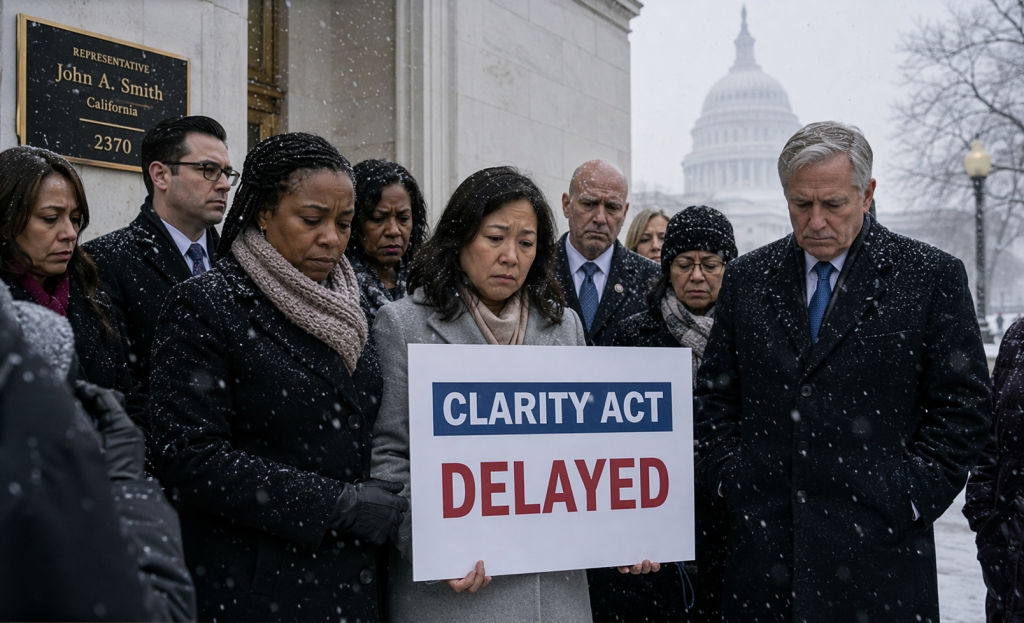
The push to pass the crypto market structure bill before lawmakers leave for summer recess is likely to fall short, according to John Thune. Still, he suggested the legislation could at least begin moving through the Senate before the break.
Industry groups and congressional negotiators had targeted August 7 as a key deadline for advancing the Digital Asset Market Clarity Act, aiming to keep it on track for possible passage in 2026. That timeline now appears unlikely to hold.
Even so, Thune indicated the bill might reach the Senate floor in the coming days, which could help maintain momentum despite missing its primary window. “I would like to at least get Clarity started,” he told reporters, adding that its progress will depend on vote support.
Starting the process before recess could position the bill for consideration during a short legislative window in September. However, that period will be crowded, with election politics intensifying and competing priorities taking up lawmakers’ attention.
The bill has also sparked significant debate since its latest draft was released. Lawmakers from both parties have raised concerns, with many Democrats opposing provisions related to restrictions on senior government officials—including Donald Trump—and their involvement in crypto-related business activities.
Crypto industry advocates and supportive lawmakers had hoped the Senate could finalize the Clarity Act within weeks, but delays into later months significantly reduce its chances of passing in 2026.
According to Thune’s office, the Senate’s immediate focus will shift to a bipartisan sanctions bill targeting Russian leadership and trade measures. The legislation was championed by Lindsey Graham and is expected to reach the floor soon, though his funeral will also take up time on the Senate schedule.
Meanwhile, White House crypto adviser Patrick Witt expressed a more optimistic view, noting that the first week of August could still allow room for Senate action. While he agreed a final vote in July is unlikely, he said the bill should not be counted out.
With U.S. midterm elections approaching in November, lawmakers are expected to spend much of the summer campaigning. Congress will briefly reconvene in September, and even if the Senate passes the bill, the House of Representatives would still need to approve it.
The Clarity Act remains a top priority for the crypto industry, even more so than last year’s GENIUS Act, as it aims to establish a long-term regulatory framework for digital assets in the United States.
However, advancing the bill in the Senate is a complex, multi-step process that requires at least 60 votes—an outcome that is far from guaranteed. Some Republican lawmakers have also raised concerns, particularly around provisions on stablecoin yields and government ethics rules.
Cynthia Lummis, a leading Republican negotiator on the bill, said the most controversial sections remain open to revision and could still be adjusted to win broader Democratic support.
Supporters had hoped that bringing the bill to the Senate floor would increase urgency and help resolve outstanding disagreements. That opportunity may still exist—if leadership can carve out time before the recess begins.
About The Author




More Stories
CFTC Warns Prediction Platforms of Manipulation Risks in ‘Mention Markets’
Lummis Says Trump Opposition Helped Derail Crypto Clarity Act
XRP Ledger Retries Upgrade Designed to Split Payments and Compliance Roles