

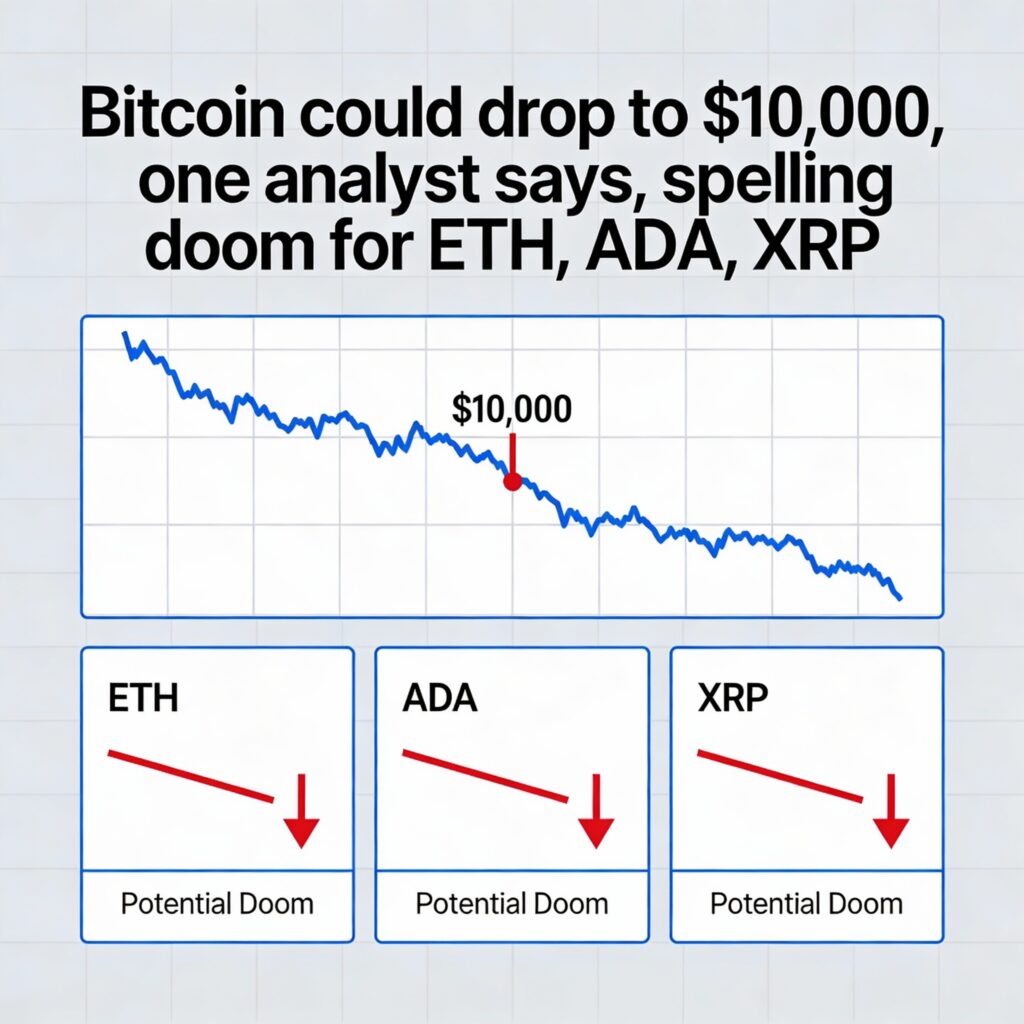
Traders are increasingly positioning for downside risks in the crypto market, with a surge in put options signaling expectations that bitcoin could fall below $85,000.
Bitcoin hovered near $87,000 as options positioning and analyst commentary pointed to rising risks of a deeper pullback into early 2026. Recent rebounds appear to be losing momentum, characterized by short-lived rallies followed by renewed selling, according to CoinDesk.
The largest cryptocurrency briefly climbed to $90,000 late Wednesday before slipping back under $87,000, underperforming equity markets amid ongoing macro uncertainty. Traders are particularly focused on the Dec. 26 options expiry, with derivatives data showing heavy put option accumulation at the $85,000 strike. Thirty-day implied volatility has climbed toward 45%, while both short- and long-dated skew remain negative, reflecting strong demand for downside protection, according to Derive.xyz.
“There’s clear defensive positioning going into year-end,” said Alex Kuptsikevich, chief market analyst at FxPro. “The uptrend from late November has been broken, and the market is now trading like it did during the October sell-off, with sharp rebounds failing to gain traction.”
Ether has shown a slightly more balanced profile. While short-dated ETH skew remains negative, longer-dated skew is closer to neutral, indicating less conviction around a sustained downturn. A sizable cluster of puts at the $2,500 level for the Dec. 26 expiry highlights an area of concern for traders.
Some analysts warn that bitcoin’s long-term cycle could be turning. Bloomberg Intelligence commodities strategist Mike McGlone noted that the rally above $100,000 earlier this year may have set the stage for a deeper retracement.
“Bitcoin’s surge toward six figures may have sparked a cycle back toward $10,000, potentially in 2026,” McGlone said, adding that periods of extreme wealth creation are often followed by sharp reversals. He also flagged that highly speculative digital assets with effectively unlimited supply could be particularly vulnerable in the next economic downturn.
Despite these warnings, bitcoin has remained relatively resilient, down about 5% in 2025 through mid-December. Data from CryptoQuant shows short-term holders have been sitting on losses for over a month, while Glassnode estimates long-term holders have sold roughly 500,000 BTC since July.
Kuptsikevich noted that Federal Reserve rate cuts this year acted less as a direct catalyst and more as a signal that monetary tightening was over, enabling investors to maintain risk exposure during drawdowns.
“That patience helped push bitcoin to new highs earlier in the year,” he said. “But leverage remains elevated, and the October liquidation wave highlighted how fragile price discovery can be when positioning gets crowded.”
Looking ahead, geopolitical risks and leverage conditions are expected to shape market dynamics into 2026. For now, investors are bracing for volatility, with downside risks firmly back in focus as the year ends.
About The Author





More Stories
U.S. Adds Just 29,000 Jobs in September as Unemployment Rate Hits 4.2%
Bitcoin Dominance Nears 60% as Crypto Traders Shift Into Risk-On Mode
Bitcoin Open Interest Surges $2.3B as Traders Increase Bullish Bets