


S&P: Regulatory Uncertainty Slows Stablecoin Growth in the U.S.
The adoption of stablecoins in the U.S. remains stalled due to the lack of clear regulations, but new rules could pave the way for institutional use, S&P Global Ratings said in a report released Wednesday.
“The regulatory void is a key roadblock preventing wider institutional adoption of stablecoins in the U.S.,” analysts led by Mohamed Damak wrote.
Stablecoins—digital assets pegged to fiat currencies like the U.S. dollar or commodities like gold—are widely used in crypto markets and international payments. However, the lack of oversight has kept traditional financial institutions from fully embracing them.
Legislators are working on new guidelines. The Senate’s GENIUS Act proposes federal oversight for stablecoins with a market cap over $10 billion, while the House’s STABLE Act seeks to establish state-level regulation without federal restrictions.
S&P predicts that once a regulatory framework is in place, users may shift from unregulated to regulated stablecoins, reshaping the industry.
“Stablecoins will play a key role in digital finance, offering protection from monetary instability in emerging economies and serving as a reliable payment tool,” the report added.
Meanwhile, JPMorgan (JPM) recently suggested that Tether (USDT)—the leading stablecoin—could face challenges under stricter U.S. regulations, potentially shaking up the market.
About The Author

More Stories
Bitcoin drops under $71,000 while stocks end the day near session lows as expectations for a 2026 Fed rate cut dim further.
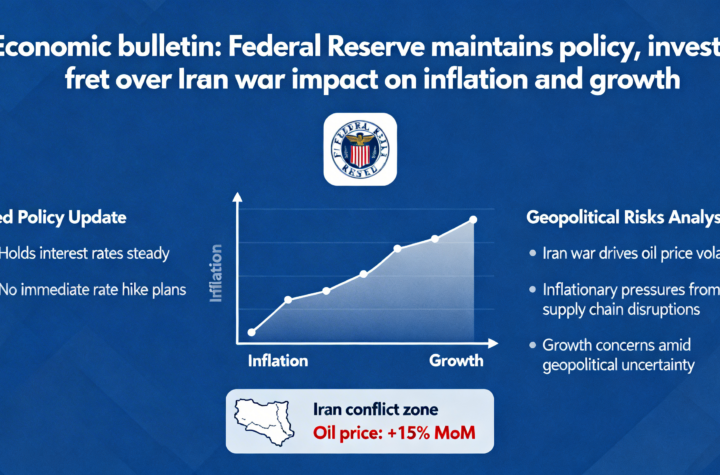
Fed pauses rate changes as the Iran conflict clouds the economic outlook and fuels inflation fears.
Cheap money is now behind us as ongoing conflict with Iran locks in a higher baseline for inflation.