

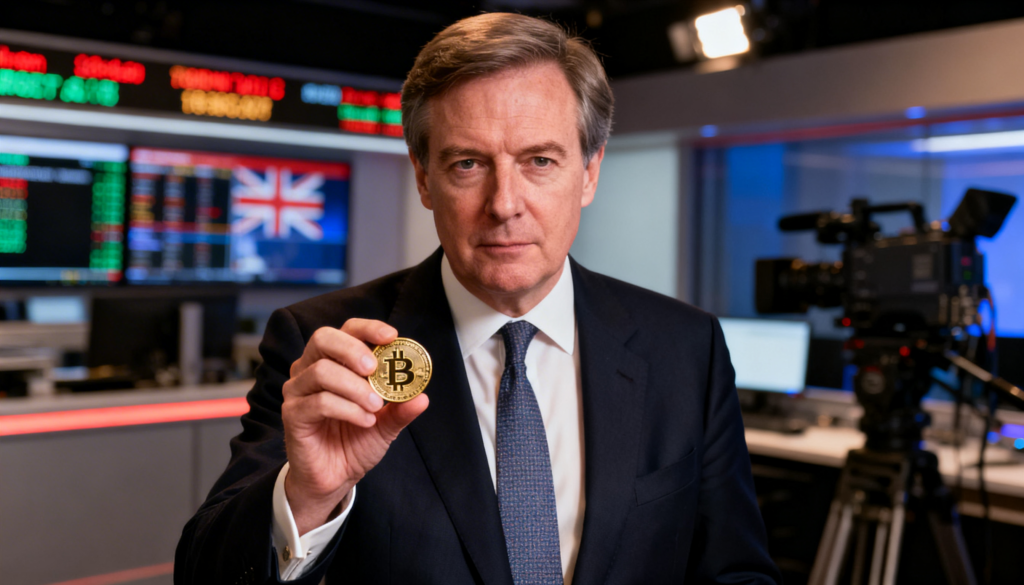
Kwasi Kwarteng reflects on UK turmoil, warns of fiscal strain, and embraces Bitcoin shift
Former UK Chancellor Kwasi Kwarteng is re-emerging with a sharpened focus on Bitcoin, monetary systems, and long-term economic strategy, following his brief and turbulent tenure in September 2022.
Looking back on the mini-budget that defined his time in office, Kwarteng acknowledged the rushed rollout. Introduced just weeks after taking power—and within days of Queen Elizabeth II’s death—the policy package, he said, lacked sufficient time for coordination and scrutiny. The aftermath was swift, with gilt yields spiking and structural weaknesses in the UK pension system, particularly Liability-Driven Investment strategies, coming under pressure.
Despite the market fallout, Kwarteng maintains that the underlying intent of the policy remains valid. He argues the UK is stuck in a fiscal “doom loop,” where government spending consistently exceeds tax revenues. Efforts to correct the imbalance through higher taxes, he warned, risk undermining incentives and weighing on economic growth.
He also criticized the short-term mindset shaping both politics and financial markets, arguing that decision-making has become overly reactive and driven by short-term sentiment rather than long-term planning.
That longer-term perspective now informs his stance on Bitcoin and the future of money. During his time in government, Kwarteng said institutions like the Treasury and the Bank of England were aware of digital assets but viewed them as too small to prioritize. He sees that as part of a broader reluctance in the UK to engage with financial innovation.
In contrast, he pointed to Europe—particularly Paris—as taking a more proactive approach to digital assets. He also pushed back against criticism from former Prime Minister Boris Johnson, who had previously dismissed Bitcoin as a “Ponzi,” calling instead for a more open and balanced view of emerging monetary systems.
Kwarteng is now putting those ideas into practice. As executive chairman of UK-based Bitcoin treasury firm Stack BTC, he is helping guide a strategy focused on holding Bitcoin as a core balance sheet asset. The firm currently holds 31 BTC and is positioning itself within a growing trend of corporate adoption.
The company has also attracted political attention, with Reform UK leader Nigel Farage taking a 6% stake, highlighting the increasing intersection between digital assets and politics in the UK.
For Kwarteng, the move into Bitcoin represents a broader shift—from reactive policymaking toward what he sees as a more resilient and forward-looking monetary framework built on long-term thinking.
About The Author



More Stories
An analyst warns Bitcoin may drop to $10,000 if it fails to regain the $75,000 level.
Bitcoin is increasingly leading Fed expectations, with ETF demand acting as the catalyst.
Bitcoin remains stable while investor sentiment hits its lowest since the Iran war erupted.