


Fears of an economic recession that dominated corporate earnings calls earlier this year have largely vanished, even as U.S. tariffs rise to historic levels.
According to FactSet, just 16 S&P 500 companies mentioned the word “recession” during their Q2 earnings calls — a dramatic drop from 124 mentions in the first quarter and well below the 10-year average of 61. It’s the lowest quarterly count since Q4 2021.
“Recession was uttered just 16 times so far this quarter (4%),” said Neil Sethi, managing partner at Sethi Associates, in a post on X. “That’s down from 124 in Q1 and marks one of the quietest quarters for recession talk in years.”
Rising Tariffs, Shrinking Concern
The sharp decline in recession rhetoric comes despite a significant escalation in trade policy. President Donald Trump recently introduced a fresh round of tariffs, building on those announced in April, in a bid to boost U.S. manufacturing.
The moves have pushed the average U.S. tariff rate to 20.1%, marking the highest sustained level since the 1910s, according to estimates from the World Trade Organization and the International Monetary Fund.
Yet, companies appear to be taking the rising tariffs in stride — perhaps anticipating that future negotiations will soften their long-term impact.
Markets and Crypto Rally
Investors, too, have looked past near-term economic risks. The S&P 500 has climbed 28% since its April lows, while Bitcoin has surged 62%, rising from approximately $75,000 to $122,000, according to CoinDesk data.
JPMorgan analysts attribute the market’s strength to robust earnings and expectations of a gradual recovery following earlier slowdowns.
Earnings Season: Best in Four Years
So far, more than 80% of S&P 500 companies have reported Q2 results, with over 80% beating earnings estimates and 79% exceeding revenue forecasts — the strongest collective performance in four years.
Despite higher trade barriers and lingering macro uncertainty, corporate America appears increasingly confident in its footing — and the data backs that optimism.
About The Author

More Stories
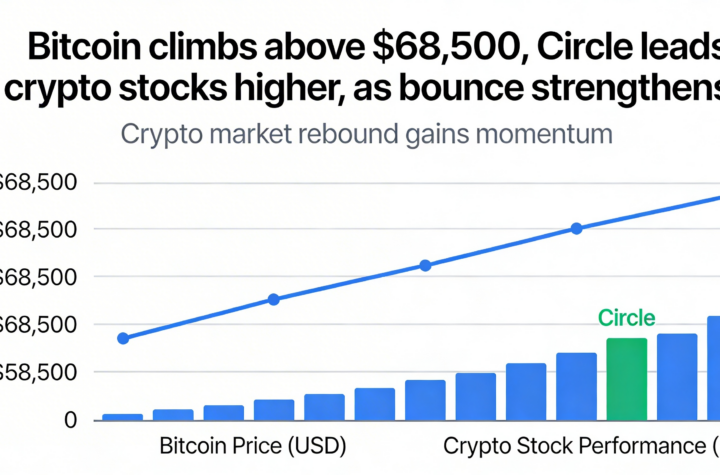
A firmer bounce lifts Bitcoin above $68,500, with Circle driving upside momentum across crypto stocks
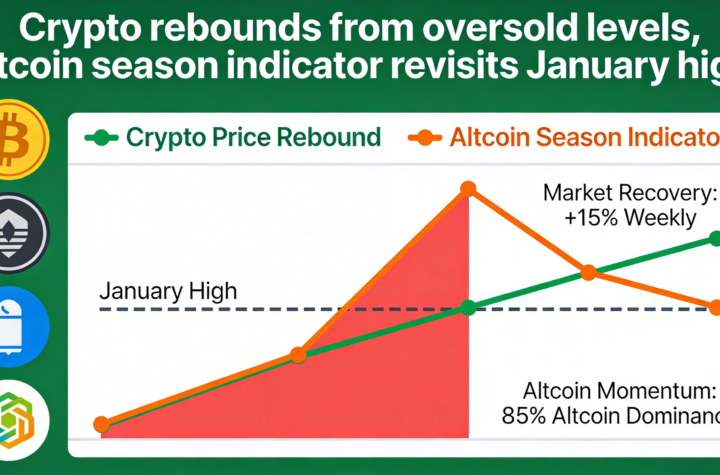
Crypto stages a rebound from technical lows while the altcoin season indicator revisits levels last seen in January.
The U.S.-chartered crypto firm has taken a position in preferred stock from bitcoin treasury company Strategy.