


Itaú Unibanco, the largest bank in Brazil by assets, is evaluating the possibility of launching its own stablecoin, with the decision hinging on the regulatory landscape in Brazil and the performance of stablecoin projects by U.S. financial institutions.
According to Guto Antunes, Itaú’s head of digital assets, the bank has been monitoring the developments in the stablecoin space, especially as U.S. financial institutions begin to roll out their own digital currency initiatives. Speaking at an industry event in São Paulo, Antunes emphasized the growing potential of blockchain for transaction settlement.
“Stablecoins have always been something we’ve kept an eye on. The technology behind blockchain provides a robust mechanism for atomic settlement of transactions,” Antunes stated, adding that the subject remains an important discussion point within the bank.
This renewed interest in stablecoins comes as U.S. lawmakers have chosen to focus on private stablecoin alternatives rather than pursuing a central bank digital currency (CBDC). This shift is seen as a move to maintain the dominance of the U.S. dollar in global financial markets.
In Brazil, the central bank is conducting a public consultation, Consulta Pública No. 111, to determine how stablecoins can be integrated into the country’s financial system. Itaú is waiting for the central bank’s final regulations before proceeding with any potential stablecoin-related projects.
Antunes also voiced concerns over a proposed ban on self-custody in Brazil’s draft regulations, noting that this could add complexity to the legal landscape. Additionally, Brazil’s decision to restrict major pension funds from investing in cryptocurrencies is seen as another hurdle for financial institutions like Itaú looking to navigate the evolving digital asset space.
About The Author

More Stories
Bitcoin drops under $71,000 while stocks end the day near session lows as expectations for a 2026 Fed rate cut dim further.
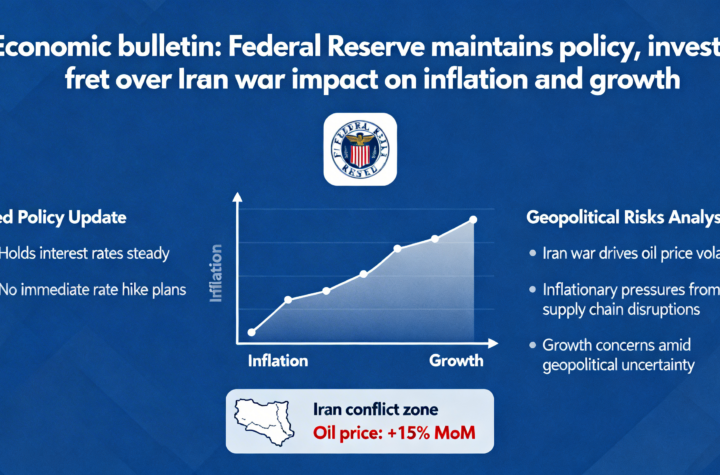
Fed pauses rate changes as the Iran conflict clouds the economic outlook and fuels inflation fears.
Cheap money is now behind us as ongoing conflict with Iran locks in a higher baseline for inflation.