

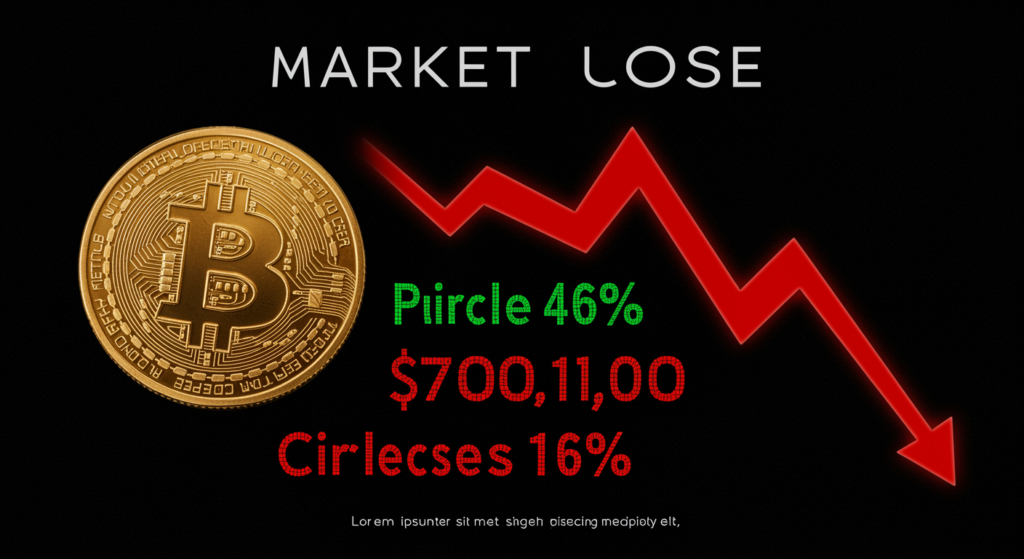
Bitcoin moved lower on Tuesday as a pullback in equities and a sharp shift in rate expectations weighed on risk sentiment across markets.
After briefly climbing toward $71,000 earlier in the session, bitcoin (BTC) retreated to around $69,600 during early U.S. trading, sliding back toward the $69,000 level. The broader crypto market followed, with ether (ETH), solana (SOL) and XRP each posting losses of roughly 2%–3% over the past 24 hours.
The decline continues a recent short-term pattern, where bitcoin tends to edge higher on Mondays before giving back gains on Tuesdays, according to Velo data.
Equities also turned lower, led by weakness in technology stocks. The iShares Expanded Tech-Software Sector ETF (IGV) dropped about 4%, extending a trend that has closely tracked crypto markets in recent months. Since October, digital assets and software equities have moved largely in tandem, a relationship that was evident again in Tuesday’s sell-off.
Major indexes were also under pressure, with the S&P 500 and Nasdaq down 0.5% and 0.8%, respectively, reversing much of Monday’s rally tied to developments around U.S.-Iran tensions. At the same time, macro conditions pointed to a more defensive backdrop, with global bond yields rising, the U.S. dollar index holding above 99, and oil prices gaining another 2%.
Crypto-linked stocks saw sharper declines. Circle (CRCL), the issuer of the USDC stablecoin, fell 16% after a strong run that had seen shares more than double over the past month. Coinbase (COIN) dropped 8%. The pullback followed reports that the latest version of the Clarity Act may prohibit rewards on stablecoin balances, potentially limiting yield generation. Analysts say this could undermine part of the bullish narrative for USDC by restricting its evolution beyond a payments-focused asset.
Meanwhile, Tether, USDT’s issuer and a key competitor to Circle, announced it has hired a Big Four accounting firm to conduct a full audit of its reserves, a move aimed at improving transparency and market confidence.
Driving much of the broader weakness is a rapid shift in interest rate expectations. In recent weeks, markets have moved from pricing in multiple rate cuts in 2026 to considering the possibility of rate hikes.
According to CME FedWatch data, the probability of rate cuts at the Federal Reserve’s April and June meetings has dropped to zero, while the likelihood of a rate hike has risen to about 15%. The June meeting is expected to be chaired by Kevin Warsh, President Donald Trump’s nominee to replace Jerome Powell, potentially signaling a shift in monetary policy direction.
About The Author

More Stories
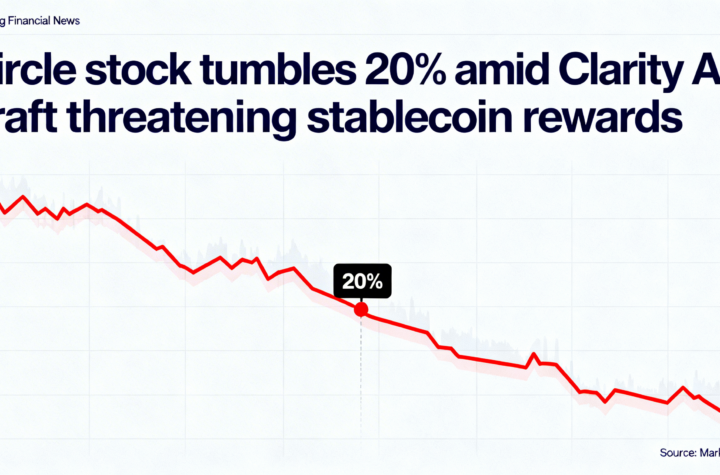
Circle stock drops 20% after new Clarity Act draft threatens stablecoin yield incentives.
Has Bitcoin already bottomed near $60,000? Here’s why it might have.
Bitcoin holds steady around the 2023 cost basis, echoing patterns seen in past cycles.