

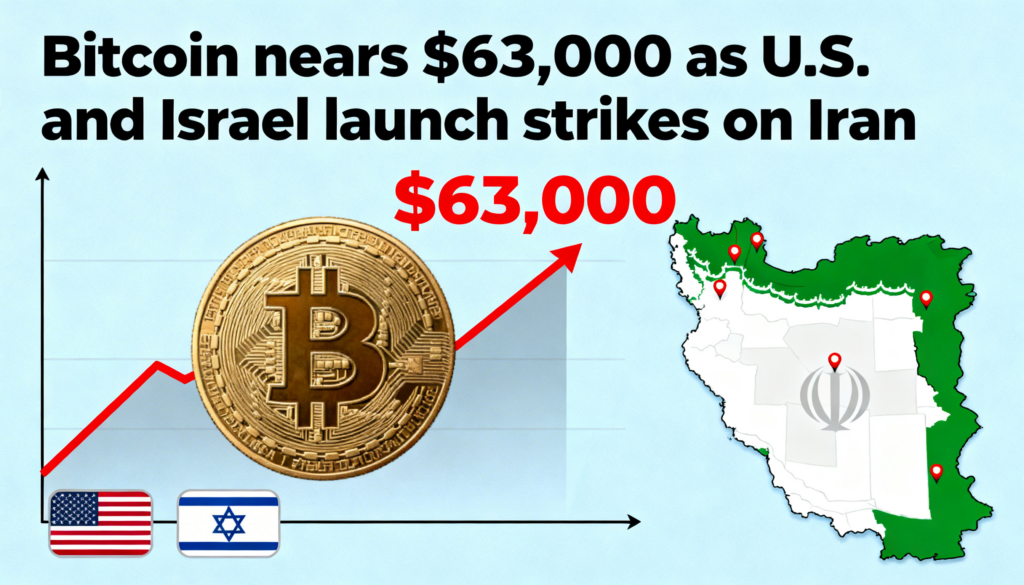
Bitcoin’s weekend slide underscores a recurring theme: the cryptocurrency often becomes the first outlet for risk reduction when geopolitical shocks hit outside traditional market hours. Because Bitcoin trades 24/7, it serves as one of the few large, liquid assets investors can quickly sell while equities and bonds remain closed.
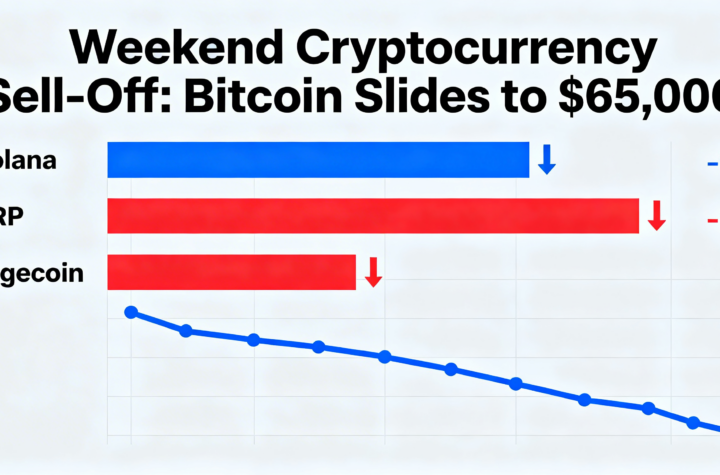
After briefly reclaiming the $65,000 level, bitcoin slipped back to around $64,700 as tensions surrounding Iran intensified through Saturday. Iranian state media reported at least 70 fatalities in Hormozgan province, according to Al Jazeera, including casualties from a strike on an elementary school. Israel activated air raid sirens following fresh missile launches from Iran.
Former U.S. President Donald Trump told The Washington Post that his focus was “freedom for the people.” Meanwhile, NATO said it was closely monitoring developments, China called for an immediate ceasefire, and Turkey offered to help mediate the crisis.
Bitcoin’s inability to hold above $65,000 suggests near-term momentum remains weak. Still, the relatively measured price action—despite the gravity of the headlines—may point to thin weekend liquidity rather than intense, broad-based liquidation. Traders remain on alert as U.S. markets prepare to reopen, with further geopolitical headlines likely to drive volatility.
Earlier market reaction
Earlier in the session, bitcoin dropped toward $63,000 after the U.S. and Israel launched military strikes on Iran, sending the token down roughly 3% within hours. The decline marked its lowest level since the Feb. 5 sell-off, when prices briefly dipped under $60,000.
Israeli Defense Minister Israel Katz declared a nationwide state of emergency. A U.S. official confirmed American participation in the strikes, according to The Wall Street Journal.
The pattern is familiar. With traditional financial markets closed over the weekend, bitcoin effectively becomes a pressure valve for global risk sentiment. Investors looking to reduce exposure during sudden geopolitical escalations often turn to crypto markets, amplifying price swings in digital assets.
The latest flare-up raises concerns of a broader regional conflict in a strategically critical part of the world, following weeks of U.S. military buildup and stalled negotiations over Iran’s nuclear program.
About The Author

More Stories
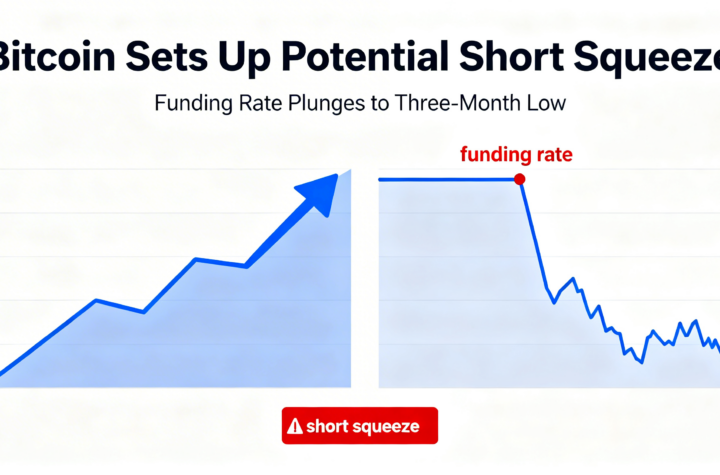
Bitcoin could be primed for a short squeeze with funding rates hitting a three-month bottom.
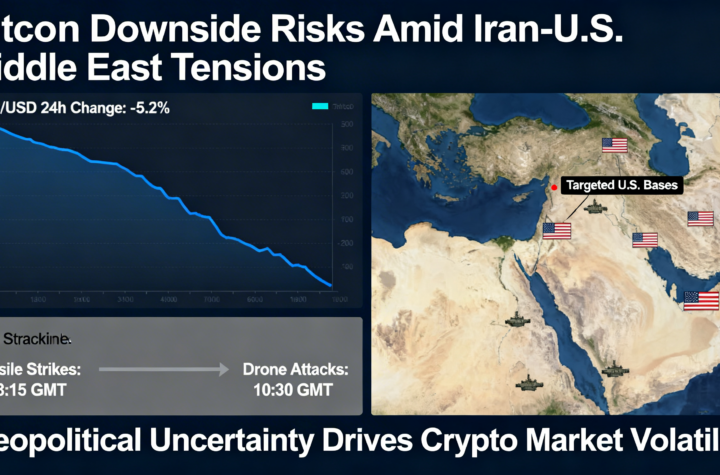
Geopolitical escalation, with Iran targeting U.S. bases around the Middle East, could push Bitcoin lower.
Bitcoin retreats to $65,000 amid a weekend pullback, while Solana, XRP and Dogecoin fall 6%.