

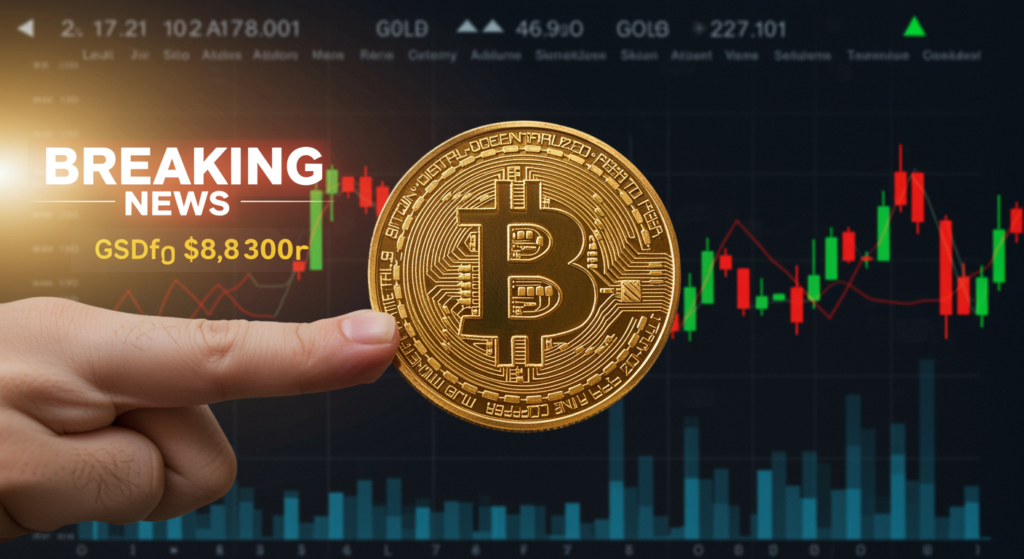
The ongoing Iran conflict is continuing to disrupt traditional market dynamics, with safe-haven assets faltering while broader markets remain under pressure. Bitcoin, however, is holding up better than most.
Gold fell for a ninth straight session on Monday, dropping to around $4,360—marking its longest losing streak in years. At the same time, Asian equities declined for a third consecutive day, pushing closer to correction territory.
Rising geopolitical risks are also driving bond yields higher, as persistent inflation concerns shift expectations toward potential rate hikes rather than cuts. Equity futures in both the U.S. and Europe are pointing lower, while Brent crude has climbed to $113 per barrel, extending its year-to-date gain to more than 70%.
Bitcoin traded near $68,316 during Asian hours, up 1.5% over the past 24 hours but still down 6% for the week. Ether rose 2.7% to $2,059, while XRP gained 2% to $1.38. Tron edged up 0.3% to $0.309, remaining the only major token in positive territory on a weekly basis. In contrast, BNB slipped 1.2% to $627, Solana fell 2.5% to $86.54, and Dogecoin dropped 1.7% to $0.09, making it the weakest performer among major tokens over the past week.
Across asset classes, losses are mounting. Gold—typically a beneficiary during periods of geopolitical stress—has now declined roughly 18% from its recent peak. Asian equities are nearing correction levels, while bitcoin, despite its weekly decline, continues to hold above the $66,000 support zone that has remained intact through previous conflict-driven sell-offs since late February.
Alexander Blume, CEO of Two Prime, said the divergence between gold and bitcoin reflects structural shifts rather than short-term market moves. He pointed out that countries like China had been steadily accumulating gold as part of a broader strategy to reduce reliance on Western financial systems, but that trend has reversed as liquidity needs have taken priority amid escalating tensions.
Blume added that bitcoin’s spot and derivatives markets have remained relatively stable given the macro environment. The firm is positioning for a potential increase in funding and futures rates in the coming months, reflecting a contrarian view that markets may be underestimating upside risks.
Geopolitical tensions remain elevated. U.S. President Donald Trump has issued a 48-hour ultimatum threatening to strike Iran’s power infrastructure if the Strait of Hormuz is not reopened. Iran has warned that any such move would trigger an extended closure of the waterway along with retaliatory strikes on U.S. and Israeli energy infrastructure.
Meanwhile, Goldman Sachs has raised its oil price outlook, increasing its full-year Brent forecast to $85 from $77 and WTI to $79 from $72, describing the disruption in the Strait of Hormuz as the largest supply shock ever seen in global crude markets.
About The Author


More Stories
Bitcoin Starts New Quarter Stuck in Familiar $82K-$85K Range
Citigroup Lifts 12-Month Bitcoin Target to $113K as ETF Inflows Return
Bitcoin’s Inflation-Fueled Jump to $85.5K Fades as Yields Stay High